❇︎ ECOLOGICAL GARDENING ❇︎
What difference can one urban garden make?
“The world must rewild and restore an area the size of China to meet commitments on nature and the climate, says the UN, and the revival of ecosystems must be met with all the ambition of the space race.”
The Guardian, 2021
Okay, that’s a weighty statement, but it’s part of what jolted me into learning more about native plant gardening, ecosystems more broadly, and the worrying declines in insect and pollinator abundance.
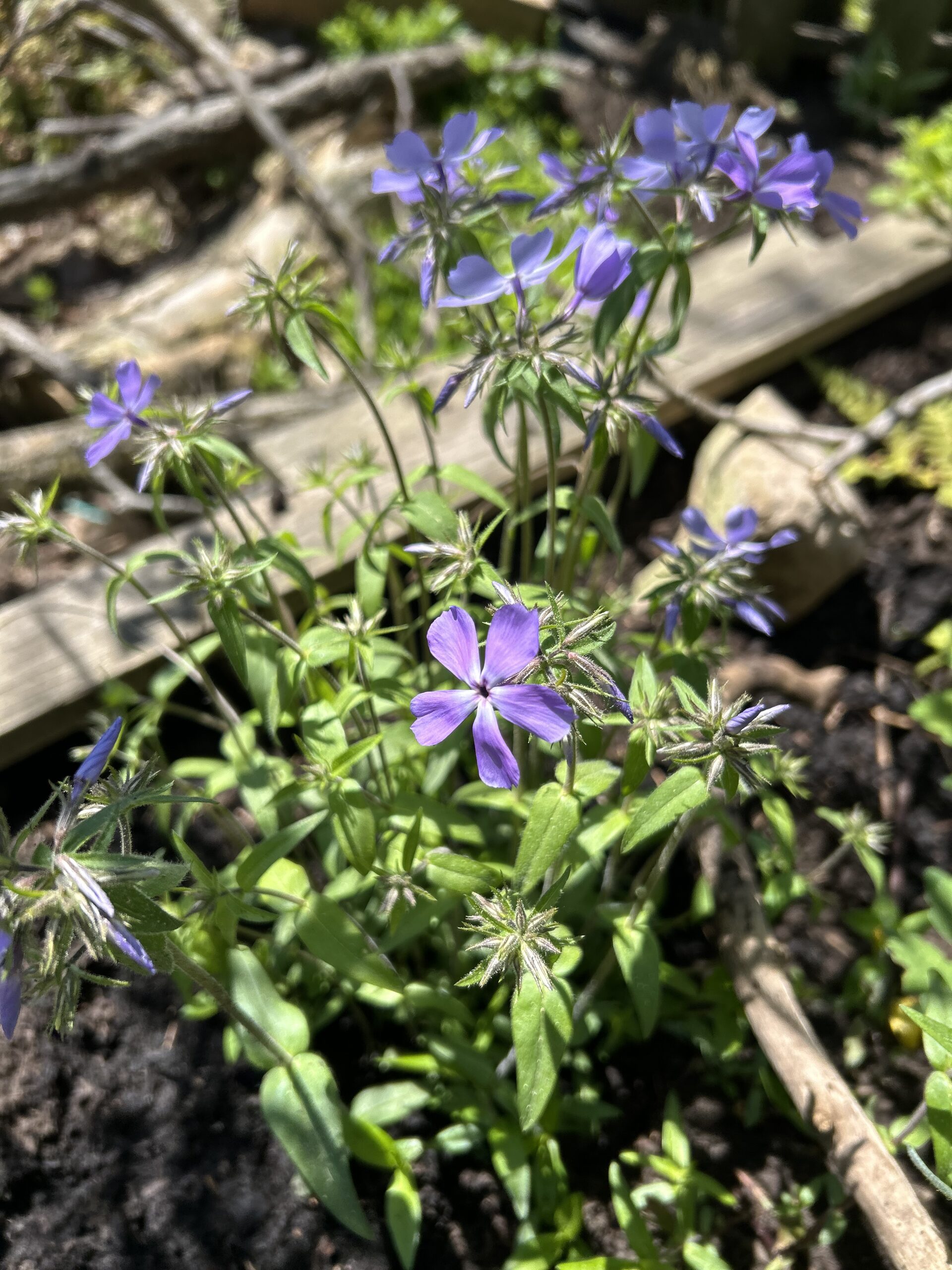
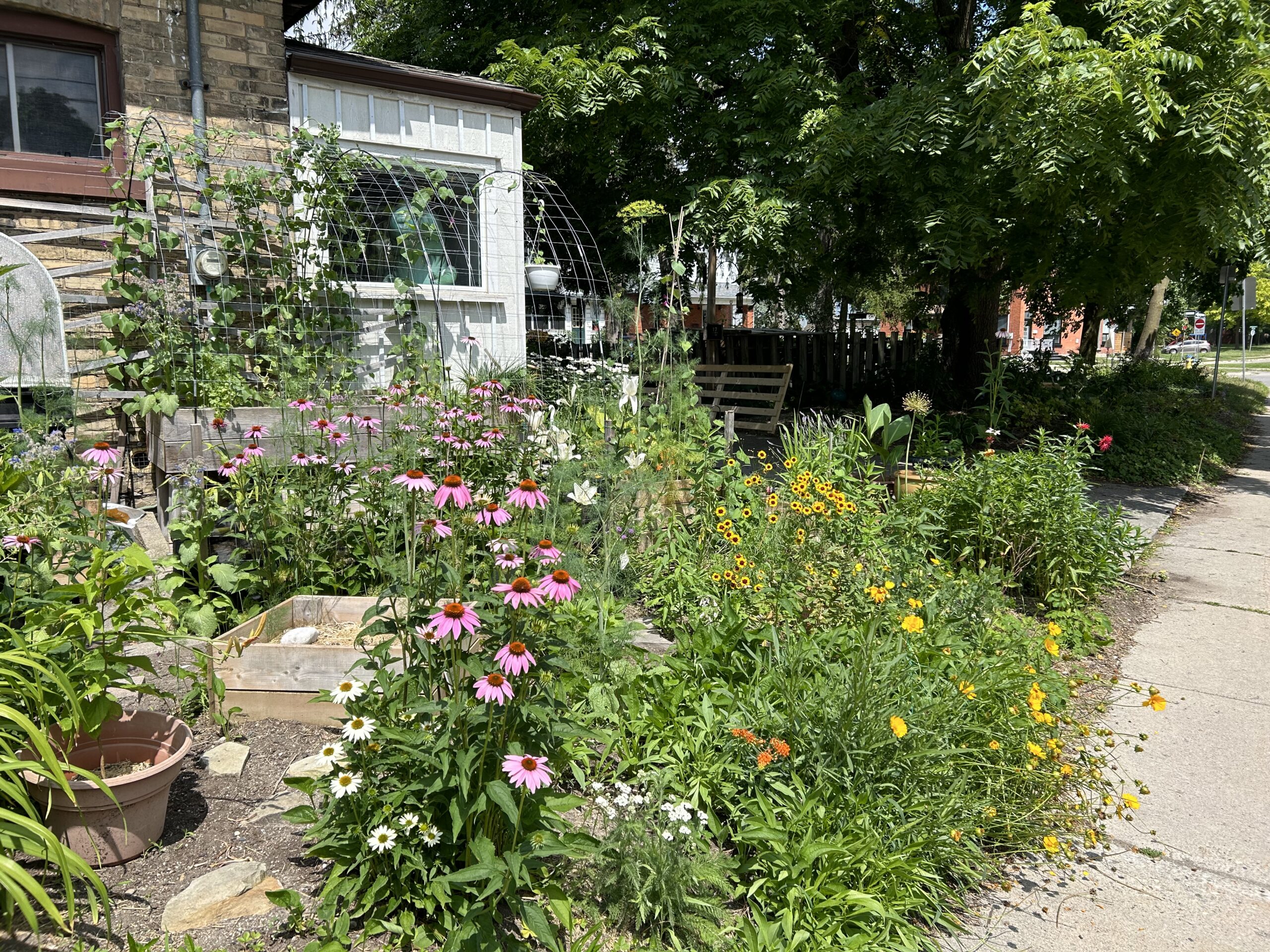
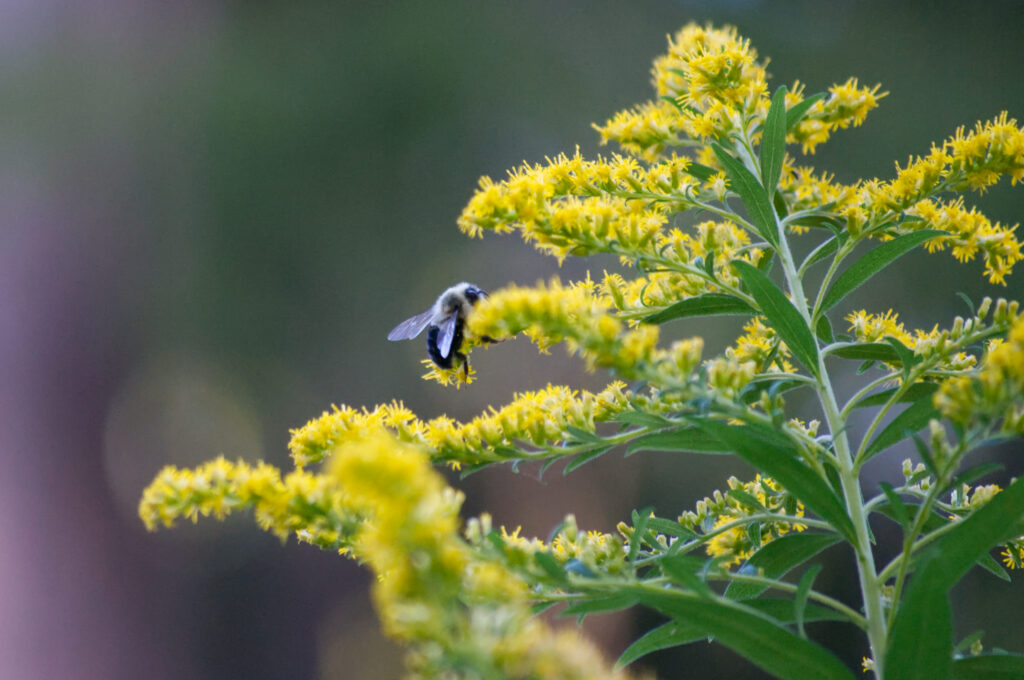
While individual actions obviously cannot solve the pollinator decline alone, adding even a few carefully chosen native plants to your garden DOES make an impact. Pesticides are certainly a large factor in insect mortality, but even greater is the loss of habitat and food sources. To nearby bees, butterflies, birds, bats, and other beneficial insects, even a pot or two of native flowers on a balcony can help improve their chances of survival. Especially if you encourage your friends and neighbours to do the same.
When an urban community builds enthusiasm for native-plant gardening, as is increasingly the case in and around Stratford, every plant contributes to a larger, collective pollinator pathway.
❇︎ THE BASICS ❇︎
What is a host plant?
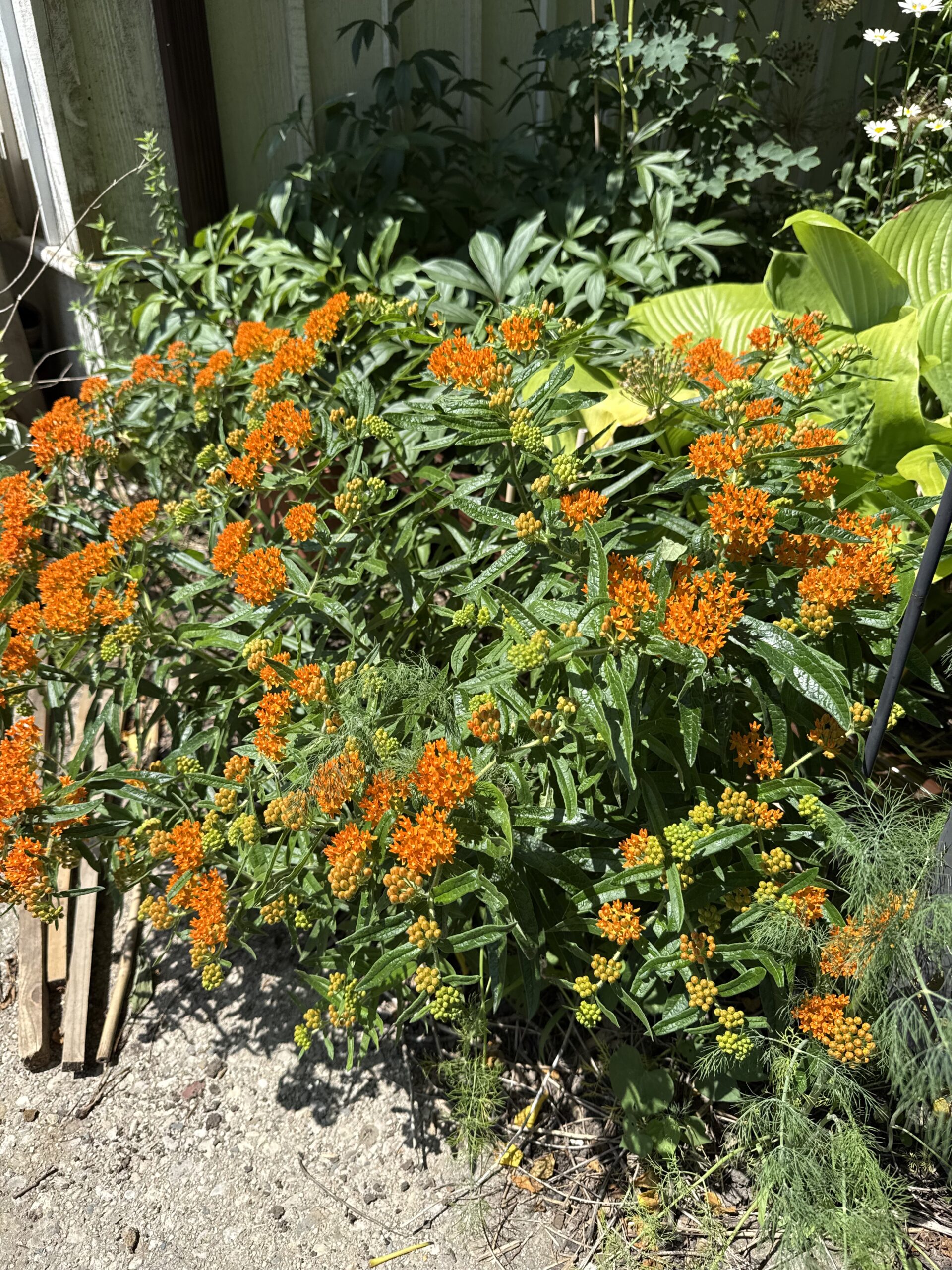
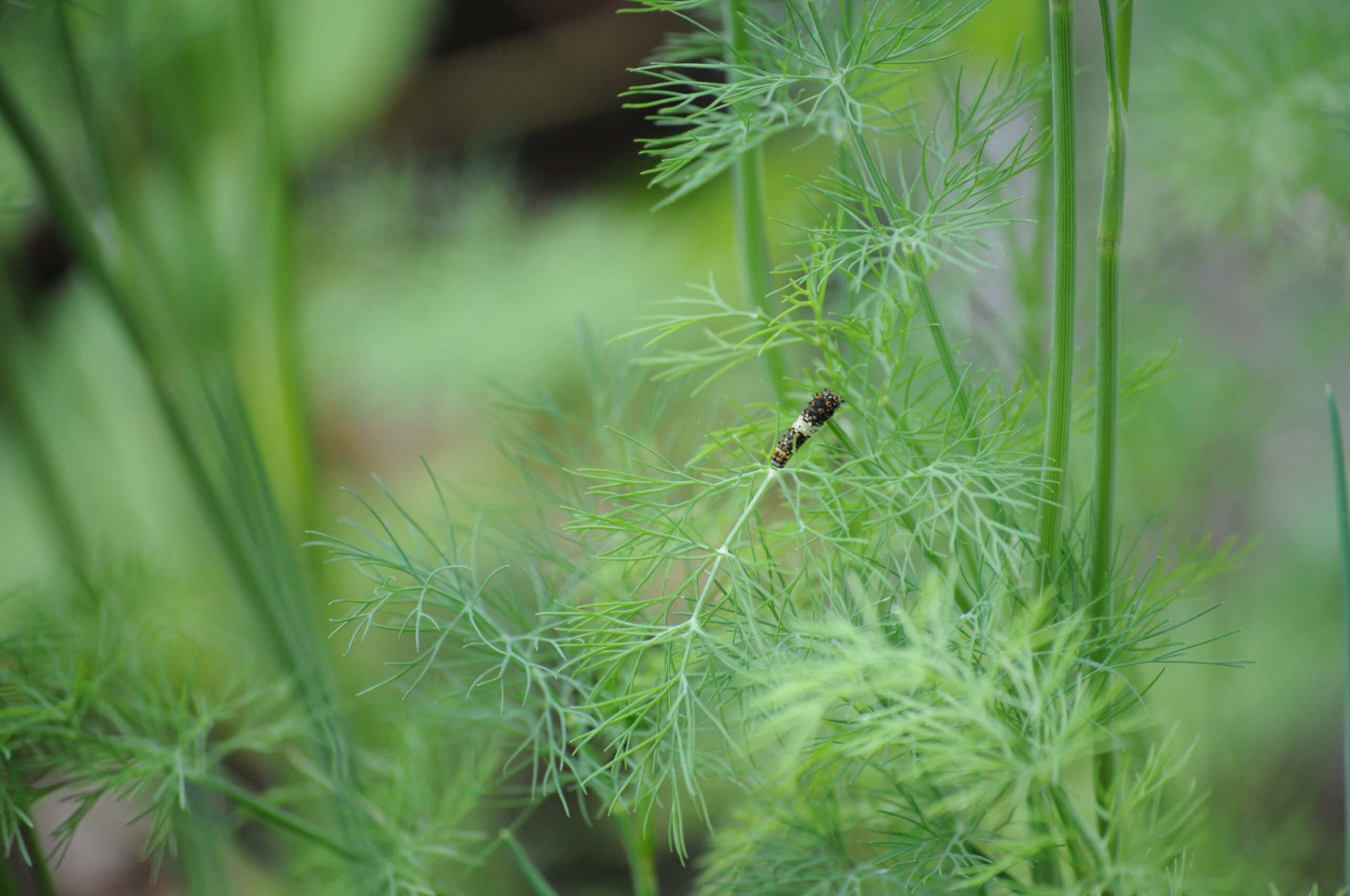
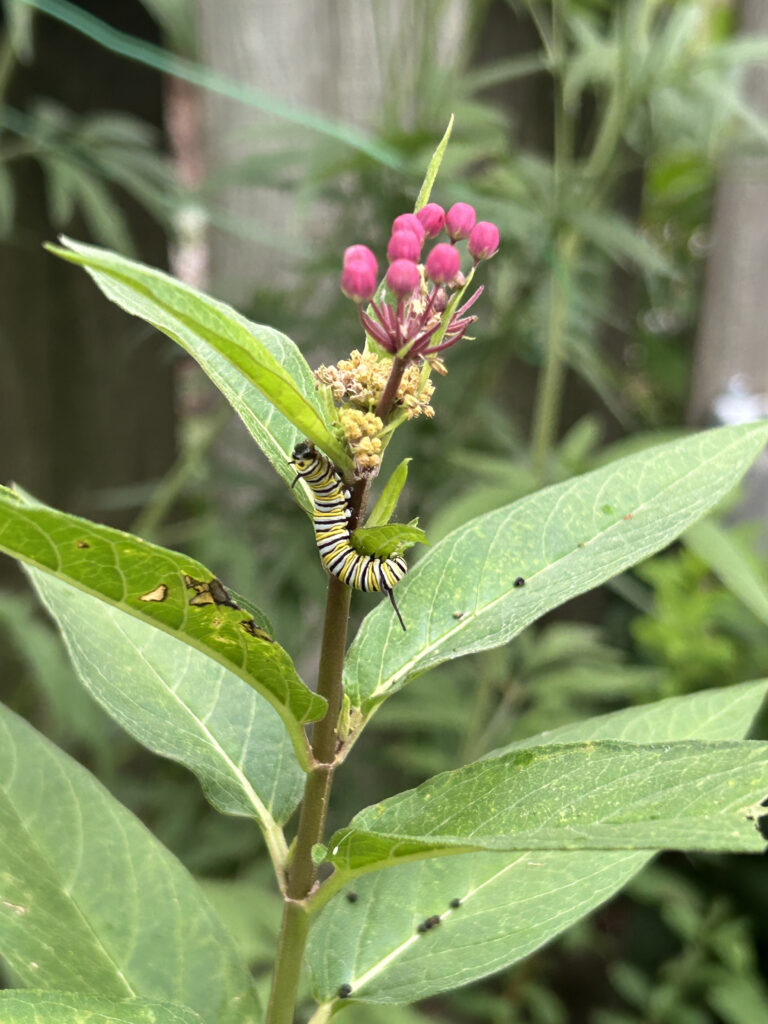
Native and migratory species of insect have evolved alongside native plants for hundreds of thousands of years, and as a result, many now have a codependent relationship. For example, milkweed has developed a defensive sap that is toxic to many of its would-be predators, but the Monarch caterpillar has evolved to tolerate it. Adult Monarch butterflies will ONLY lay their eggs on plants in the milkweed family, to assure that their larvae (the caterpillars) will be able to feed on the plant without overwhelming competition. When you plant an insect’s host plant, you are offering them a place to lay their eggs, and for their offspring to eat.
What is a nectar plant?
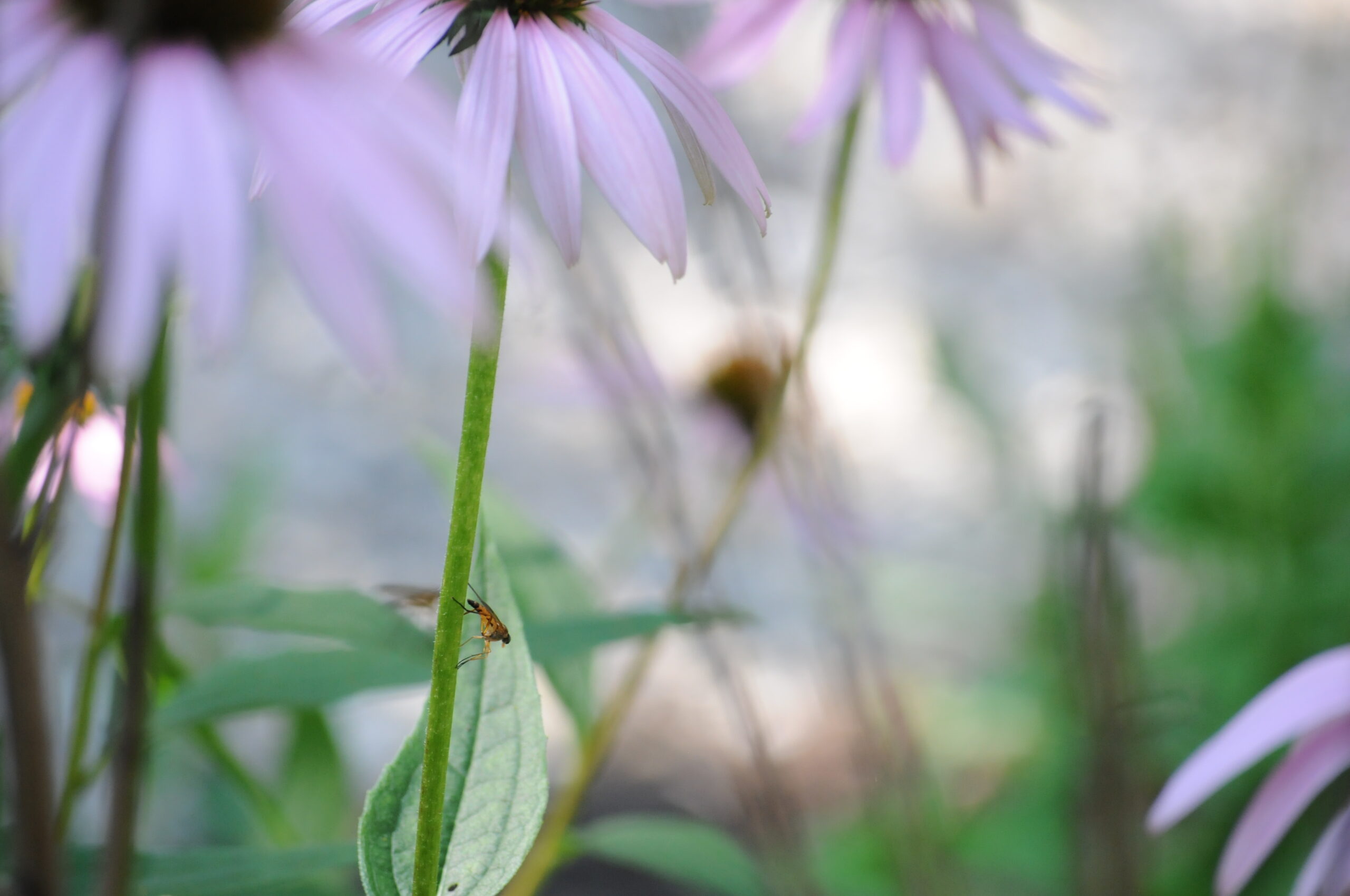
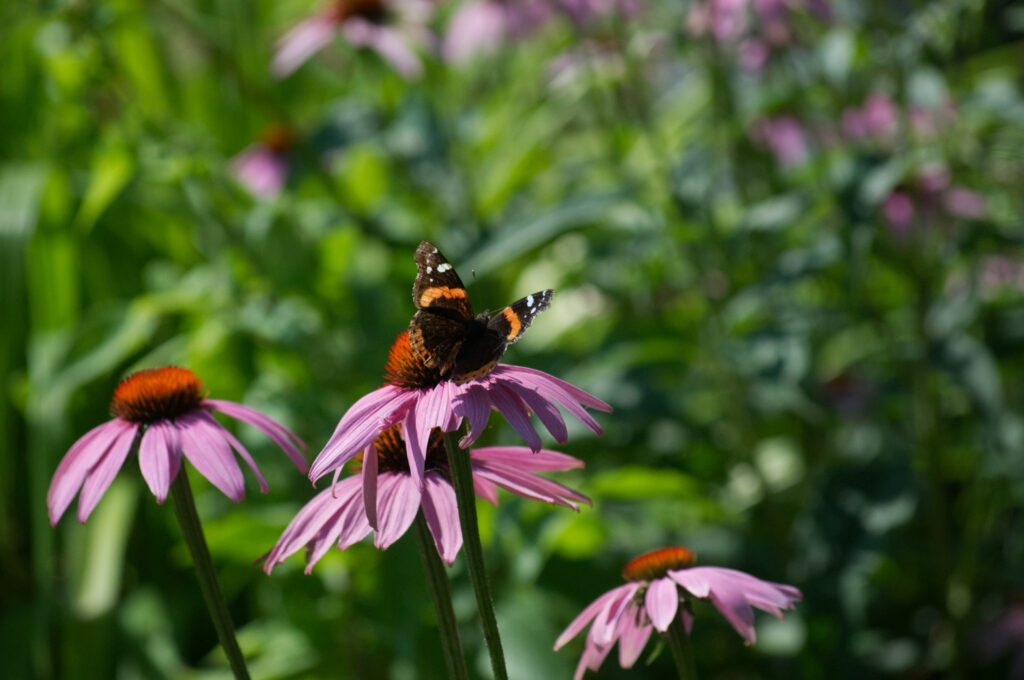
Nectar plants provide the sugary nutrients that many insects and birds rely upon for sustenance. Many species have even developed the physical features that allow them to drink more easily from specific plants. The nectar lures the pollinators, and then the pollinators move the pollen from plant to plant. Just like humans, many species have firm preferences, and will mostly drink from a few specific plants.
What is a pollinator pathway?
When a diverse combination of host and nectar plants are spaced along a corridor, the pollinators who live in or traverse that area will not accidentally fly out of range of food sources, or places to hide, sleep, and lay their eggs. When enough individuals, municipalities, businesses, and agricultural areas contribute to a pollinator pathway, it is more likely to contain adequately diverse plants, blooming at every point of the season to sustain the creatures that live there, or migrate through it.